
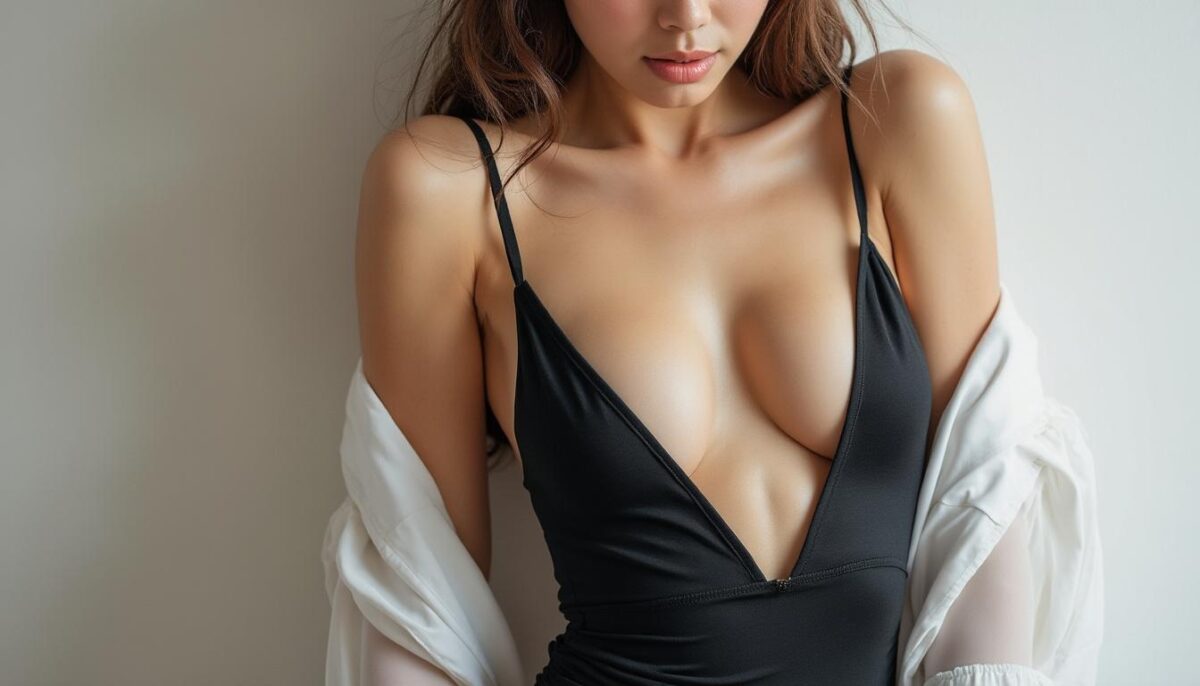
This tight dress restricts your breathing
Hello my friends, I’m Sasha. A dress is too tight if it makes it hard for you to sit, walk, or breathe comfortably: loosen it or change sizes rather than putting up with the discomfort. A fitted cut isn’t necessarily constricting. Also check the lining, belt, and underwear worn underneath.
Significant compression, particularly from shapewear or a corset, can cause discomfort; that doesn’t mean you should automatically attribute shortness of breath to the dress. The Cleveland Clinic advises checking the size of shapewear and not continuing to wear it if it causes discomfort. For styling tips, our guide to choosing a belt that suits you can help accentuate your waist without trying to cinch it in.
Fitted or too tight: how to tell the difference
When trying it on, focus on these three comfort checks, without treating them as a medical diagnosis:
- Bust: You can breathe in without feeling the bodice restrict you.
- Waist: You can sit down without painful compression.
- Movement: You can walk and raise your arms without the seams pulling.
Try the dress on with the underwear you plan to wear: sit down, raise your arms, and take a few steps. A difficult-to-close zipper, seams that pull, or having to hold your stomach in are all reasons to try another size or cut. Choosing an outfit should preserve your comfort and health every day.
Breathing discomfort: don’t assume it’s caused by clothing
- You feel unpleasant chest tightness, even at rest.
- You have difficulty taking a deep breath.
- Shortness of breath worsens when you move or perform simple tasks.
- You start to feel anxious while wearing it.
| Situation | What to do |
|---|---|
| Discomfort while trying it on | Loosen or change the outfit; check the size, cut, and underwear |
| New or persistent shortness of breath | Seek medical advice promptly, even after loosening the garment |
| Severe difficulty breathing, chest pain, or feeling faint | Call emergency services; in France, dial 15 or 112 |
What should you do if you’re genuinely short of breath?
Loosen or remove the garment if you can do so easily, but don’t wait to seek help if your breathing difficulty is severe, if you have trouble speaking, chest pain, or feel faint. In France, call 15 or 112. New or persistent shortness of breath should be evaluated; Ameli explains the warning signs and what to do.
How to let out a dress that’s too tight: practical tips for comfort and style
Before unpicking any seams, identify where the dress feels tight and check how much fabric is available inside the seams. Compare the cost of alterations with exchanging it for a different size, if that’s possible. Depending on how the dress is made, a tailor may be able to:
- Add fabric panels at the sides or back to gain a few centimeters.
- Try partially unpicking the side, shoulder, or waist seams to insert a patch with an original pattern.
- Lengthen the dress if it’s also too short, using ruffles or panels.
Lengthening a dress won’t make it wider at the bust or waist. If it’s lined, pleated, beaded, or has a complicated zipper, have the alteration assessed before cutting. The seam allowances and finishing required vary by fabric: one centimeter isn’t a universal rule.
Essential supplies for letting out a dress
- Matching or contrasting fabric (depending on the desired effect)
- Sewing thread and suitable needles
- Sewing machine or hand-sewing supplies
- Fabric scissors
- Tape measure for accurate measurements
| Step | Description | Tip |
|---|---|---|
| Unpick | Open the side or shoulder seams | Make sure the dress can be unpicked without damage |
| Measure | Take the measurements needed for the adjustment | Test the fit before making the final cut |
| Cut the fabric | Prepare the insert based on the measurements | Allow for the seam allowance suited to the fabric and finish |
| Sew | Attach the new pieces to the dress | Use a stitch suited to comfort and durability |
| Finishing | Hem and press for a professional finish | Topstitch to prevent the fabric from rolling |
Choosing a fitted dress that stays comfortable
To stay comfortable, check the cut and construction as well as the fabric. Stretch fabric can still feel tight if it’s too small; non-stretch fabric can be comfortable if there’s enough ease. Repeat the sitting and movement tests with the lining and belt you plan to wear.
Style tips to avoid unnecessary tightness
- Choose stretch fabrics with good elasticity
- Avoid shapewear that’s too tight or accessories that are too rigid
- Opt for fitted but non-constricting cuts
- Include adjustable pieces that let you breathe easily
- Choose accessories that flatter without feeling tight, such as a suitable belt (see our guide to choosing a suitable belt)
Why is it dangerous to wear a dress that’s too tight?
A highly compressive outfit can cause discomfort and restrict movement. A fitted dress isn’t necessarily dangerous; choose a comfortable size and cut.
How can I tell if my dress is too tight?
Seams that pull, discomfort when sitting, or restricted movement indicate that the garment doesn’t have enough ease. Shortness of breath shouldn’t automatically be attributed to the dress.
Can you let out a dress that’s too small yourself?
Yes, with some sewing skills and the right supplies, you can add fabric panels to make it more comfortable and keep your favorite dress.
Which fabrics should I choose for a stylish, comfortable outfit?
Stretchy, breathable, lightweight fabrics are ideal for combining chic style and wearing comfort, while allowing you to breathe freely.
What should I do if my clothes make me feel like I’m suffocating?
Loosen or remove the outfit if possible. If you have severe difficulty breathing, chest pain, or feel faint, call emergency services; in France, dial 15 or 112. New or persistent shortness of breath requires medical advice.
Thanks for reading this far. Leave me a comment; Yours, Sasha